
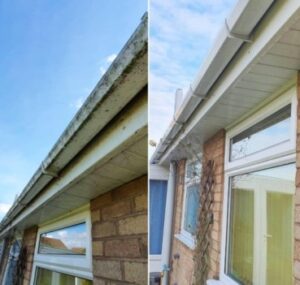
Clean windows transform the look of any building, letting in natural light and boosting curb appeal. Professional window cleaners rely on a range of tested techniques, each suited to different building types, heights, and levels of dirt. Unlike DIY attempts, these methods deliver streak-free, long-lasting results while ensuring safety and efficiency. Below, we explore the most common and effective techniques used by experts today.
Traditional Hand Cleaning
Traditional hand cleaning is the oldest and most widely used method, ideal for residential properties and low-rise commercial buildings. It is valued for its precision and ability to tackle stubborn grime. The process uses two core tools: a washer (a long-handled tool with an absorbent, lint-free sleeve) and a squeegee (a rubber blade on a handle).
Professionals start by removing loose dirt, cobwebs, and debris from the frame and glass. They then apply a specialised cleaning solution – usually a mix of water and mild, eco-friendly detergent – using the washer. This lifts grease, fingerprints, and environmental deposits without damaging glass or frames. Next, the squeegee is used to remove the water and dirt in smooth, overlapping strokes. When done correctly, this leaves glass completely clear and streak-free. Technicians also use detail cloths to wipe edges and corners, ensuring no water marks are left behind. This method is cost-effective, versatile, and perfect for detailed work.
Water-Fed Pole Systems
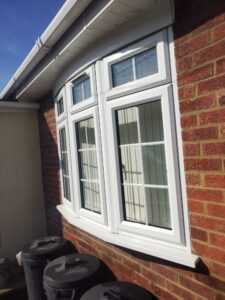
Water-fed pole systems have revolutionised professional window cleaning, especially for high or hard-to-reach windows. This method uses extendable poles, often reaching up to 70 feet, fitted with soft bristle brushes and a water delivery system. The key to its success is purified water, produced by filtering tap water through reverse osmosis and deionisation processes. Purified water contains no minerals or chemicals, meaning it dries clear without leaving spots or residue.
The process is simple: technicians scrub the glass and frames with the brush to loosen dirt, then rinse thoroughly with the purified water. No detergents are needed, making it safe for the environment and for surrounding plants or surfaces. Because it requires no ladders, it is safer for workers and faster for large jobs. It works well on all building types, including offices, schools, and multi-story homes, and is highly effective at removing heavy grime, construction dust, and algae.
Ladder-Assisted Cleaning
For windows that are slightly higher or in tight spaces, ladder-assisted cleaning remains a staple technique. Modern professionals use stabilised ladders and safety equipment such as harnesses and roof anchors to work securely. This method combines the control of hand cleaning with access to upper floors.
Technicians use the same washer and squeegee tools as ground-level work, but take extra care to protect window sills, frames, and surrounding areas from damage. It is particularly useful for heritage buildings or properties with delicate features, where other methods might be too intrusive. Proper training is essential here to ensure stability and safety, and professionals always follow health and safety regulations to prevent accidents.
Abseiling and Rope Access
For high-rise buildings or structures where ladders or platforms are not practical, rope access (also known as abseiling) is the preferred choice. This technique is common in city centres and on tall commercial buildings. Specially trained technicians use industrial ropes, harnesses, and safety devices to lower themselves safely from the roof to clean windows at any height.
Workers use hand tools or small water-fed poles while suspended, delivering the same high-quality finish as ground-based methods. It is a flexible, cost-effective alternative to scaffolding or cranes, as it requires less setup time and causes minimal disruption to building occupants. All technicians using this method hold specialist safety qualifications and work in line with strict industry standards.
High-Pressure Cleaning
High-pressure cleaning is reserved for heavily soiled windows, frames, and exterior surfaces. It uses controlled jets of water to blast away built-up grime, moss, algae, and paint splashes. Professionals adjust the pressure carefully to avoid damaging glass seals, paintwork, or delicate materials.
This method is often used alongside other techniques. For example, high-pressure cleaning might first remove heavy deposits, followed by hand cleaning or water-fed pole washing to finish the glass perfectly. It is especially useful for properties near busy roads, industrial areas, or coastal locations, where salt, pollution, and dirt build up quickly.
Why Professional Techniques Matter
Each method has its own strengths, and experienced cleaners choose the right one based