
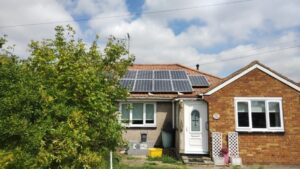
How to Clean Solar Panels on Your Roof – Safe & Effective Guide
Solar panels are a smart investment for clean energy and lower bills. Over time, dust, pollen, bird droppings, leaves, and dirt build up and block sunlight. This reduces their output and can cost you money. Knowing how to clean solar panels on your roof the right way keeps them working at peak performance.
Why Clean Your Solar Panels?
Even a thin layer of grime can cut energy production by 5% to 25%, depending on location and weather. Regular cleaning:
✅ Maximizes energy efficiency
✅ Extends panel lifespan
✅ Maintains warranty terms
✅ Helps you get the most return on investment
When Should You Clean Solar Panels?
In most cases, rain does a decent job. But clean them if:
– You live in a dry, dusty area
– There is heavy pollen or tree sap
– You notice visible dirt, bird droppings, or mold
– It hasn’t rained for 4–6 weeks
– You see a drop in your energy output
Best time: Early morning or late afternoon. Avoid midday heat – water can evaporate too fast, leaving streaks, and panels get very hot.
Safety First – Important Precautions
Roof work carries risks. Follow these rules:
– Never climb alone – have someone on the ground
– Wear non‑slip shoes and use a stable ladder
– Avoid walking directly on panels; they can crack
– Turn off the solar system before cleaning (follow manufacturer instructions)
– If your roof is steep or high, hire a professional
What You Will Need
Use only gentle, non‑abrasive tools to avoid scratching the glass:
– Soft‑bristled brush or sponge
– Long‑handled squeegee
– Garden hose with a spray nozzle (low pressure only)
– Mild, non‑detergent soap or specialized solar panel cleaner
– De‑ionized or filtered water (if tap water is hard)
Step‑by‑Step: How to Clean Solar Panels
Step 1: Inspect First
Check for loose wires, cracks, or damage. If you spot issues, contact your installer before cleaning.
Step 2: Rinse Loose Debris
Start from the top and spray gently with water. This removes loose dust and leaves without scrubbing. Do not use high‑pressure washers – they can damage seals and glass.
Step 3: Wash Gently
Mix mild soap with water. Use your soft brush or sponge to wipe the surface lightly. Focus on stubborn spots like bird droppings or sap – let the water soften them first.
Step 4: Rinse Thoroughly
Wash away all soap residue. Soap left behind attracts more dirt later.
Step 5: Dry or Air‑Dry
Use a clean squeegee to remove excess water and prevent water spots. If weather permits, let them air‑dry naturally.
What to Avoid ❌
– High‑pressure jets – can damage panels and wiring
– Harsh chemicals, bleach, or abrasive cleaners – may damage coatings
– Steel wool or rough brushes – scratch the anti‑reflective layer
– Cleaning in direct, hot sunlight – thermal shock risk
Professional Cleaning vs DIY
– DIY: Good for low‑slope, easily accessible roofs. Low cost, do it yourself.
– Professional: Best for steep roofs, high locations, or if you’re unsure. They have safety gear and proper equipment. Usually done once or twice a year.
How Often Should You Clean?
Most homeowners only need 1–2 times per year. In dusty or coastal areas, 3–4 times may be better. Monitor your energy monitor – if output drops, it’s time to clean.
Final Thoughts
Cleaning your solar panels is simple when done correctly. A little care keeps your system efficient and saves you money long‑term. Always prioritize safety and follow manufacturer guidelines.