
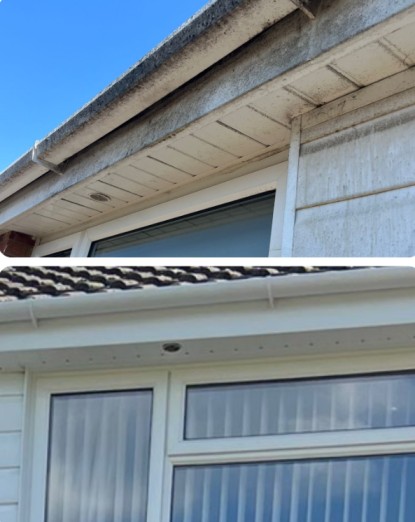
Cleaning a home by the sea is hard work. I fix beach homes for a living. I see many people forget their soffits and fascias. These parts get dirty very fast in places like Southend-on-Sea. How fast do they get dirty? How can you keep them clean? This guide uses my years of work to help you.
What Are Soffits and Fascias?
You need to know what these parts are.
- Soffits: These boards sit under your roof edge. They let air into the attic. This stops damp.
- Fascias: These boards stand up on the roof edge. They hold up your gutters. Both parts keep your home safe from rain. They also make the house look good.
Why Coastal Areas Cause Faster Dirt Build-Up
Living by the sea is nice. But the air is harsh for your home.
1. Salt in the Air
Sea spray has salt in it. Salt lands on your house. It feels sticky. This trap’s dirt and dust.
2. High Humidity Levels
The air is wet in Southend-on-Sea. This wet air helps things grow. You might see:
- Mold
- Algae
- Mildew These make your boards look green or black
3. Strong Winds
Sea winds blow hard. They carry sand and dust. These stick to the salt on your house.
4. Frequent Rainfall
Rain can be bad. It does not always wash dirt away. It often leaves muddy streaks on your fascias.
How Quickly Do Soffits and Fascias Get Dirty?
By the sea, these areas show dirt fast. You may see grime in 3 to 6 months. This is much faster than inland homes. Salt from the sea dries on the surface. It acts like glue and traps dirt.
Factors That Affect Dirt Accumulation:
- Distance from the sea: Homes near the beach get dirty fast. The salty air leaves a thick film.
- Material type:
- uPVC: Static can pull in dust. It is easy to wash because it is smooth.
- Wood: Wood soaks up water. It can rot or stain if you do not clean it.
- Weather exposure: Strong winds and sun wear down the paint and finish.
- Nearby vegetation: Trees like Holm Oaks drop sticky sap and leaves.
Signs Your Soffits and Fascias Need Cleaning
Look for these signs to avoid big repair bills:
- Black or green streaks: This is a sign of mold or algae.
- Patchy spots: Salt or smog causes these marks.
- Visible mold: This grows in dark, damp spots.
- Peeling paint: This means water is getting into the wood.
- Blocked gutters: Water spills over and stains the boards.
How Often Should You Clean Them in Coastal Areas?
In towns like Southend-on-Sea, clean them every 6 months. For the best care:
- Light cleaning: Rinse with water every 3 to 4 months.
- Deep cleaning: Use soap twice a year.
- Inspection: Check for damage four times a year.
Best Cleaning Methods
- Soft Washing :This is the best way. It uses low-pressure water so it won’t break seals. It uses safe soaps to kill mold and wash away salt.
- Manual Cleaning : This is good for small spots you can reach. Use a soft cloth or sponge. Mix mild soap with warm water. Do not use rough pads that scratch.
- Professional Cleaning Services : Pros are best for homes by the sea. They have long tools to reach high spots safely. They know how to get rid of tough salt.
Can You Prevent Dirt Build-Up?
You can slow down the grime with these tips:
- Apply Protective Coatings: These coatings push water and salt away.
- Keep Gutters Clean: Full gutters cause most stains.
- Trim Nearby Trees: Cut back branches to stop sap and leaves from sticking.
- Regular Rinsing: Spray them with fresh water every few weeks to wash off salt.
uPVC vs Wooden Soffits and Fascias in Coastal Areas
I help homeowners pick materials that save time and work.
uPVC (Unplasticized Polyvinyl Chloride)
- Pros: Easy to keep clean. Salt does not hurt it. It stops water well.
- Cons: Salt and smoke can make it look gray.
Wood
- Pros: It looks very nice and classic.
- Cons: You must paint it every year. Salt and wet air make it rot fast.
Best choice for coastal areas: uPVC is best. It lasts a long time and stays strong.
What Happens If You Don’t Clean Them?
If you do not clean your roof edges, bad things happen:
- Stains: Salt ruins the look forever.
- Damage: Water leaks into your roof wood.
- Bugs: Pests build nests and block air.
- Lower Value: Your house looks messy to buyers.
Dirty parts soon break. This costs a lot of money to fix.
Cost of Cleaning in Coastal Areas
Prices change by house size. In the UK, you might pay:
- Basic clean: £50–£150
- Full clean (with gutters): £150–£300 Cleaning now costs much less than a full replacement later.
Why This Matters for Homeowners in Southend-on-Sea
People in Southend are smart. They search for:
- “soffit and fascia cleaning near me”
- “how often to clean soffits UK”
- “coastal home maintenance tips” They know the sea air is tough on houses.
Expert Tips for Long-Term Maintenance
- Get a pro to clean twice a year (Spring and Fall).
- Check for salt or loose parts after storms.
- Use spray to stop mold every year.
- Buy good parts that do not fade in the sun. Doing this keeps your home strong.
Conclusion
In Southend-on-Sea, dirt shows up in 3 to 6 months. Salt and wet wind make wood rot fast. The good news? Regular cleaning and the right parts keep your home looking new. If you live by the sea, start your care plan today.