
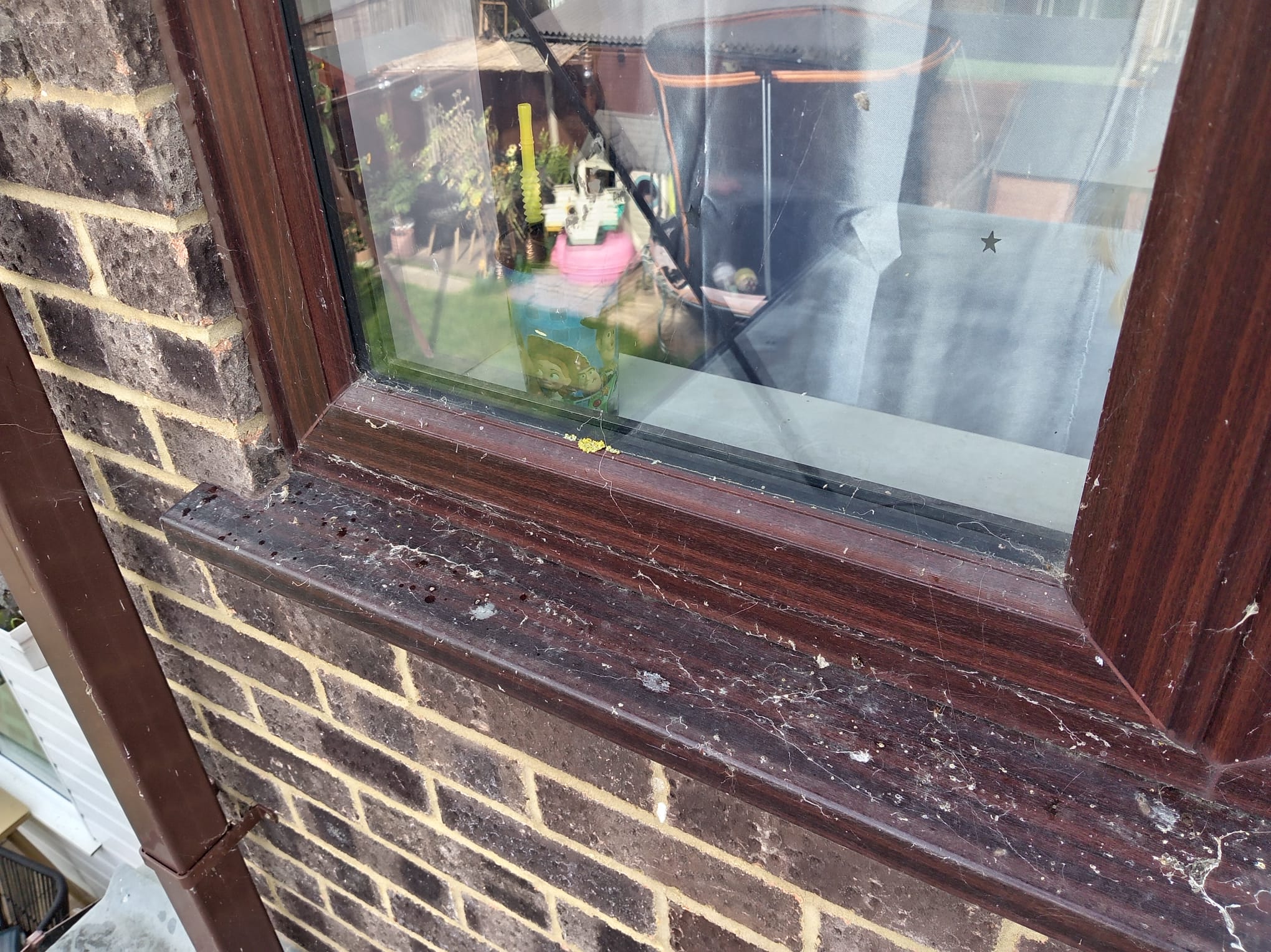
Living near the beach is great. You get fresh air and nice views. But ocean weather is hard on houses. It causes big problems for your windows. If you live near the sea, your glass gets dirty fast. It gets cloudy and gets spots. Why does this happen? The blame falls on wet air, salt, wind, and dirt. Knowing this helps you keep your glass clean.
What Is in Sea Air?
Sea air is more than just wet air. Crashing waves send tiny drops of sea water into the sky. These drops are full of salt and hard rock bits. Ocean winds blow these wet drops onto nearby homes. The wet drops land on your window glass. Soon, the water dries up in the sun. But the salt and rock bits stay on the glass. Over time, this leaves hard, white spots. This is very bad for homes right on the beach.
How Does Sea Air Affect Windows?
Sea air puts a fast layer of salt dust on outside glass. When salty wet air dries, it leaves a rough film. This makes your glass look:
- Cloudy
- Dull
- Streaky
- Speckled
- Hazy
- Less clear
The glass itself is still strong and safe. But you cannot see through it well. If you leave this salt on the glass, it gets stuck hard. It becomes very hard to wash off. This is why a clean window gets dirty again in just a few days near the sea.
Does Sea Air Damage Glass?
Sea air does not break the glass itself right away. The main issue is that the glass looks dirty and bad. But bad beach weather does hurt the parts around the glass. Window frames, locks, and metal bits get hit by salty wet air a lot. Salt and wet air make metal rust fast. This is very true if you leave the salt on the metal for a long time. Because of this, you must wash your windows often. Regular care keeps beach homes safe and nice.
Why Does Salt Air Leave Marks on Glass?
Salt does not go away when sea water dries. Think of a tiny drop of sea water hitting a window. The water soon dries in the sun and wind. But the heavy salt is left on the glass. One tiny drop leaves nothing you can see. But millions of drops leave a thick, hard layer. More wet sea air means more salt on the glass. This loop happens all the time. It gets worse when the wind blows hard. Soon, the mix of salt and dirt makes the glass look very bad. It looks dirty even if you just washed it.
The Role of Coastal Wind Ocean wind
plays a huge part in wearing down beach homes. High winds push wet ocean air onto houses. These strong winds also blow rough things like dust and beach sand. When this dirt hits wet or salty glass, it sticks fast. When the wetness dries, the dirt gets glued in place. So, window washers must fight a tough mix. Sea moisture + salt + wind + airborne dirt = faster surface build-up. Homes that face the sea wind get dirty much faster than homes hidden by trees or walls.
Can Sea Salt Damage Window Frames?
Glass is strong, but the parts holding it need care. Wet salt air makes many materials break down and rust fast. Metal locks, hinges, and tracks are at high risk. You must watch these parts closely. Different window frames act in different ways in harsh beach weather. This does not mean a beach home will fall apart. It just means you must check and fix things often. Regular care is a must for homes that face the sea.
Why Do Coastal Windows Become Dirty So Quickly?
Sea air makes windows dirty. But salt is not the only cause.
Many things collect on outside glass, including:
- Sea salt
- Dust
- Sand
- Pollen
- Pollution
- Water deposits
- General atmospheric grime
Wet air makes dirt stick to glass easily. A thin salt film forms first. Dust and pollen stick to this film. Rain may wash some dirt away. But as water dries, salt stays behind. This makes windows look dirty very fast. It frustrates many people who live near the sea.
Does Rain Remove Salt From Windows?
Rain can wash away some dirt. But it cannot remove all salt.
Light rain only wets the glass. When the water dries, salt and minerals stay behind. Rain can also catch dust from the air before it hits the glass.
This is why windows look clean while it rains, but show spots after they dry. Heavy rain helps more. But rain alone will not keep your windows clear.
What Do Salt Deposits on Glass Look Like?
Salt marks look different based on build-up.
You may see:
- White Spots: Small white marks from salt and minerals.
- Cloudy Areas: A hazy film across the glass from fine salt.
- Streaks: Lines left behind as water runs down and dries.
- Dull Glass: A thin salt layer that stops glass from shining.
- Speckled Marks: Many small dots left by water drops.
Sunlight makes these marks easy to see.
How to Remove Salt From Windows
First, rinse off loose dirt and sand. Never rub dry salt onto glass. Dry grit can scratch the surface.
Next, spray a glass cleaner. Wipe away the dirt. Then rinse with clean water and dry the glass well.
Heavy salt layers need more work. Clean gently to protect the glass.
Why Regular Cleaning Helps
Cleaning often stops heavy salt build-up. Fresh salt is easy to wipe away. Old salt turns into a thick, hard layer.
Cleaning often helps you spot window damage early. Check your frames and glass as you clean.
Homes close to the sea need more cleaning. Homes set back from the shore need less.
Does Location Near the Sea Matter?
Yes. Not all coastal homes face the same weather.
Many things change how much salt hits your glass:
- Distance from the coastline
- Wind direction
- Building position
- Height of the property
- Local weather
- Nearby buildings
- Trees and other natural barriers
- Exposure to open coastal areas
A house facing the sea gets more salt than a house behind other buildings. That is why cleaning needs vary for each home.
How to Protect Windows From Salt Air
You cannot stop sea air. But you can protect your windows with good care.
- Keep Glass Clean: Wash away salt before it builds up. This makes cleaning easier.
- Clean Frames and Sills: Salt sits on frames and sills too. Clean all around the window.
- Check Metal Components: Look at handles, hinges, and screws. Salt can make metal rust.
- Pay Attention After Stormy Weather: Strong winds blow sea spray onto glass. Check your windows after big storms.
Are Coastal Homes More Difficult to Maintain?
Yes, they can be. Homes near the sea get more salt and wind.
This does not mean you must clean every day. It just means you need a good routine.
When you know how sea air works, fast-returning spots will not surprise you.
How Sea Air Affects the Appearance of Glass
Sea air makes glass look dull and dirty. Clean glass lets light through clearly. Salt and dust block that light.
This shows up most on:
- Large windows
- Glass doors
- Conservatories
- Shopfronts
- Balconies with glass panels
- Large modern glazed areas
Sunlight makes even thin salt layers look very clear.
Final Thoughts
Why does sea air make glass dirty?
Sea spray carries tiny salt drops. Wind blows them onto your windows. When the water dries, salt stays on the glass. Dust and pollen stick to the salt. This makes the glass look cloudy, spotted, and streaky.
Sea air will not break your glass. But it means you must clean more often.
Washing your windows, frames, and sills keeps salt away. Clean after big storms. A good routine keeps your view clear all year long.